

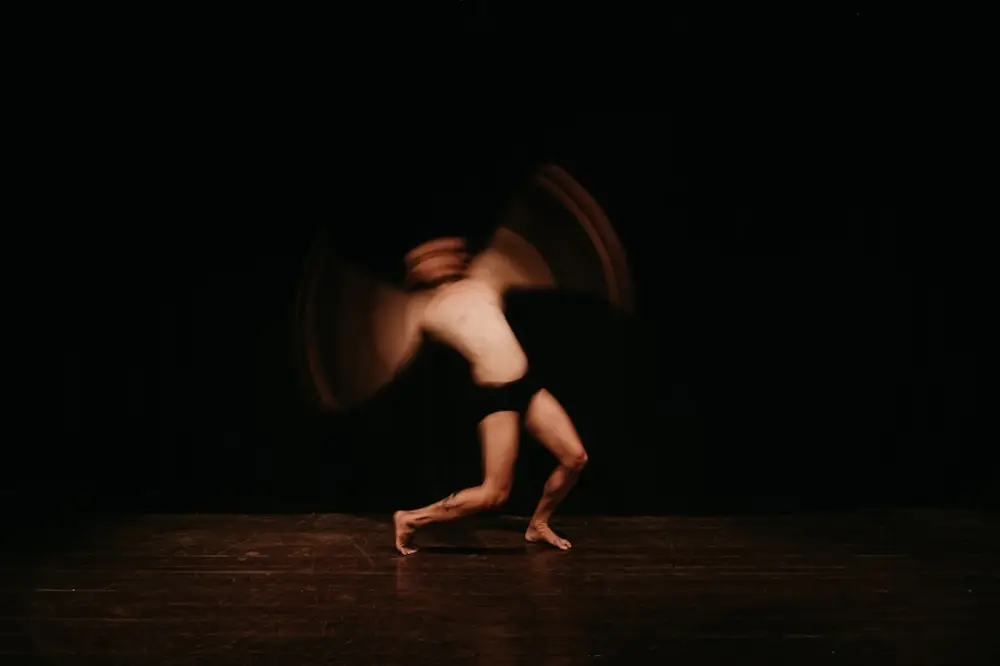
Developing your personal movement style through simple daily improvisation
The Myth of Technical Perfection as Artistic Identity
In the world of modern dance, we have become obsessed with the 'perfect' line. We spend decades refining our turnout, sharpening our extensions, and drilling the exact degree of a contraction. While technique is a necessary foundation, I contend that an over-reliance on formal training is precisely what kills individual artistry. If your movement is merely a carbon copy of your teacher’s syllabus, you aren't dancing; you are simply executing a physical script. To truly find a personal movement style, you must be willing to step away from the mirror and embrace the chaotic, unscripted reality of daily improvisation.
The reality is that most dancers are terrified of a blank floor. We have been conditioned to wait for a count, a combination, or a choreographer’s nod. This dependency creates a sterile environment where everyone moves the same way, breathes the same way, and ultimately, says the same thing. I believe that personal style isn't something you 'learn' in a Masterclass—it is something you uncover through the relentless, daily practice of moving without a map.
Why Daily Practice Trumps Occasional Inspiration
Many dancers treat improvisation as a 'treat' or a specialized workshop that happens once a month. This approach is fundamentally flawed. You cannot expect to find your unique physical voice if you only speak it once every thirty days. Developing a movement signature requires the same neurological consistency as learning a new language. If you don't use it daily, you will always default to your most basic, ingrained habits.
I argue that five minutes of focused, daily improvisation is infinitely more valuable than a two-hour session once a week. The goal isn't to create a finished piece of choreography; the goal is to break the feedback loop of your muscle memory. When you improvise every single day, you move past the 'pretty' movements that you know look good and start to find the gritty, honest, and perhaps even 'ugly' movements that actually belong to you.
Breaking the Mirror Trap
One of the greatest enemies of authentic movement is the studio mirror. We have become a generation of dancers who watch ourselves dance rather than feeling ourselves dance. When you improvise, I strongly suggest you turn away from your reflection or, better yet, close your eyes. The moment you see yourself, you begin to perform. You start correcting your posture, fixing your hair, or adjusting your limbs to match an aesthetic ideal. True movement liberation happens when the internal sensation dictates the external shape, not the other way around.
A Framework for Daily Liberation
To start this process, you don't need a professional studio or a perfectly curated playlist. You simply need the discipline to show up for your own body. Here is a framework for reclaiming your movement identity through daily practice:
- The Sensory Start: Spend sixty seconds focusing on one body part—perhaps your elbows or your ribcage—and move only that part. Forcing a limitation creates a bridge to new patterns you would never find in a full-body warm-up.
- The Tempo Shift: Most of us have a 'default' speed. If you tend to move slowly and fluidly, force yourself to move with jagged, staccato urgency for two minutes. If you are naturally athletic and fast, find the excruciatingly slow transitions between shapes.
- The Floor Is Your Partner: Get off your feet. Modern dance is defined by its relationship with gravity. Spend your improvisation time exploring how your weight shifts when three points of your body are constantly touching the ground.
- The Silent Session: Occasionally, remove the music. Without a beat to lean on, you are forced to find the rhythm within your own breath and heartbeat. This is where your true internal cadence lives.
Stop Asking for Permission to Move
There is a persistent idea in the dance community that you need to reach a certain level of technical proficiency before you are 'allowed' to improvise or create. I find this perspective to be incredibly damaging. This mindset suggests that your voice is only valid once it has been polished by institutional standards. On the contrary, some of the most profound movement discoveries come from those who haven't yet been indoctrinated into 'the right way' to move.
Modern dance was born from rebellion. It was a refusal to follow the rigid structures of ballet. Yet, many modern dance programs have become just as rigid as the forms they sought to replace. By integrating daily improvisation, you are participating in that original spirit of rebellion. You are asserting that your body has something to say that cannot be found in a textbook or a pre-set combination.
The Longevity of the Improvisational Mindset
Beyond the aesthetic benefits, daily improvisation is a survival tool for the long-term artist. Techniques change, bodies age, and injuries occur. If your entire identity is built on a specific physical feat—like a high jump or a deep backbend—you will eventually find yourself lost. However, if your style is built on an improvisational foundation, your dance can evolve with you. It becomes a living, breathing dialogue between your current physical reality and your creative spirit.
Conclusion: The Challenge of the Blank Floor
Developing a personal movement style is not an act of addition; it is an act of subtraction. It is about stripping away the expectations of your teachers, the pressure of social media trends, and the fear of looking 'wrong.' I challenge you to stop seeking the 'correct' way to move and start seeking the 'honest' way to move. The only way to get there is to step onto the floor every single day, without a plan, and see what happens. Your movement signature is already there, buried under years of instruction. It is time to start digging.

The Quiet Revolution of Modern Dance Education in Digital Spaces
The Shift from the Studio to the Screen
For decades, the path to mastering modern dance was paved with expensive studio fees, rigid schedules, and the geographical luck of living near a major cultural hub. However, a quiet revolution is taking place. Modern dance education is migrating into digital spaces, dismantling traditional barriers and offering a more inclusive, flexible way to learn. This shift isn't just about convenience; it is about the liberation of expression for those who previously felt excluded from the elite world of dance.
At the Dance Liberation Network, we believe that movement is a universal right. The transition to online learning allows dancers to focus on the 'why' of their movement rather than just the 'where.' By bringing the curriculum into your living room, digital education fosters a private, safe environment for experimentation—a core tenet of the modern dance philosophy.
Building Your Personal Practice: A Practical Guide
Transitioning to digital modern dance education requires a slight shift in mindset and a few practical adjustments to your environment. Unlike a traditional classroom where a teacher is physically present to adjust your alignment, digital learning places the agency in your hands. This self-led approach can actually deepen your understanding of your own anatomy and movement patterns.
Preparing Your Physical Space
You don’t need a professional-grade ballroom to start your journey. To make digital learning work for you, focus on these practical steps:
- Clear the Floor: Ensure you have at least a 6x6 foot area free of furniture and sharp corners. If you have hardwood floors, consider using a thin yoga mat for floor work to protect your joints.
- Lighting Matters: Position your screen so you aren't backlit. Good lighting helps you see the instructor’s subtle muscle engagements, which are crucial in modern dance techniques like Graham or Limón.
- Mirror Placement: If possible, place a full-length mirror opposite your screen. This allows you to check your form against the instructor's demonstration in real-time.
Leveraging Video Feedback
One of the most powerful tools in the digital dancer's arsenal is the ability to record yourself. In a physical studio, a correction is given and often forgotten. Online, you can film your progress and compare it side-by-side with the course material. This practice builds a high level of self-awareness and allows you to catch technical habits that might otherwise go unnoticed.
Essential Tools for Digital Dance Success
To get the most out of your online modern dance courses, you should consider integrating a few simple tools into your routine. These resources bridge the gap between digital instruction and physical execution.
- High-Quality External Speakers: Modern dance relies heavily on rhythm and breath. Standard laptop speakers often lose the bass and nuance of the music, making it harder to find the right 'feel' for the movement.
- A Sturdy Chair or Barre: Many modern dance warm-ups involve balance and leg extensions. A stable kitchen chair can act as a temporary barre for stability.
- Journaling Supplies: Modern dance is as much about the mind as it is the body. Use a notebook to jot down emotional responses to certain movements or technical cues that clicked during a session.
- Adjustable Tripod: If you are recording your progress or participating in live Zoom workshops, a tripod ensures your instructor can see your full body from head to toe.
The Role of Community in a Digital Environment
One common concern about the digital revolution is the loss of community. However, digital spaces are actually creating more diverse and global connections than traditional studios ever could. Online forums, dedicated course groups, and social media challenges allow you to connect with dancers from different cultures and backgrounds.
This global classroom enriches the modern dance experience. You aren't just learning a technique; you are seeing how that technique is interpreted by bodies all over the world. This diversity is the heartbeat of modern dance—it is an art form that thrives on the unique stories and perspectives of the individual. Engaging in these digital communities provides the emotional support and accountability needed to stay consistent with your practice.
Overcoming the Digital Learning Curve
It is natural to feel a bit overwhelmed when first starting an online dance program. The key is to start small and be patient with yourself. Unlike a live class that moves at one speed, digital courses allow you to hit 'pause.' If a particular contraction or floor sequence is confusing, you have the luxury of repeating it ten times until it feels right in your body.
Practicality is your best friend here. Don't feel pressured to complete an hour-long module every day. Even fifteen minutes of focused digital practice can lead to significant improvements in your fluidity and strength over time. The goal of this quiet revolution is to make dance fit your life, not to force your life to fit around a dance schedule.
Embracing the Future of Expression
The revolution of modern dance education in digital spaces is here to stay. It offers a bridge between the historical roots of the art form and the modern need for accessibility and empowerment. By taking your education into your own hands—and your own home—you are participating in a movement that prioritizes the dancer’s personal growth and creative freedom.
Whether you are a seasoned performer looking to refine your technique or a beginner seeking a way to express your inner world, the digital landscape provides the tools you need. Embrace the quiet revolution, set up your space, and let the movement begin.
Modern Dance vs. Contemporary Dance: What’s the Real Difference?
For educators, maintaining the historical integrity of these codified techniques is vital as modern dance education increasingly moves into digital spaces and virtual classrooms.
“Modern” and “contemporary” are often used interchangeably in the dance world, but they’re not the same thing. While both styles push against the rigidity of classical ballet, they stem from different eras, philosophies, and artistic goals.
Understanding the real difference between modern and contemporary dance is essential—not just for dancers and choreographers, but for audiences, educators, and arts institutions seeking clarity in a field where terminology often blurs meaning.
Modern Dance: Rooted in Rebellion
Origins:
Modern dance originated in the early 20th century, primarily as a rejection of classical ballet’s formality and elitism.
Key Figures:
- Isadora Duncan – Pioneered natural movement and emotional expression
- Martha Graham – Developed a codified technique based on contraction and release
- Lester Horton, José Limón, Ruth St. Denis – Each developed structured, formal techniques still taught today
Core Characteristics:
- Grounded movement
- Emphasis on breath, emotion, and weight
- Codified techniques (e.g., Graham, Horton, Limón)
- Structured training systems
- Often thematic or narrative
“Modern dance was the first major movement to democratize dance—to make it about the body and soul, not about perfection.”
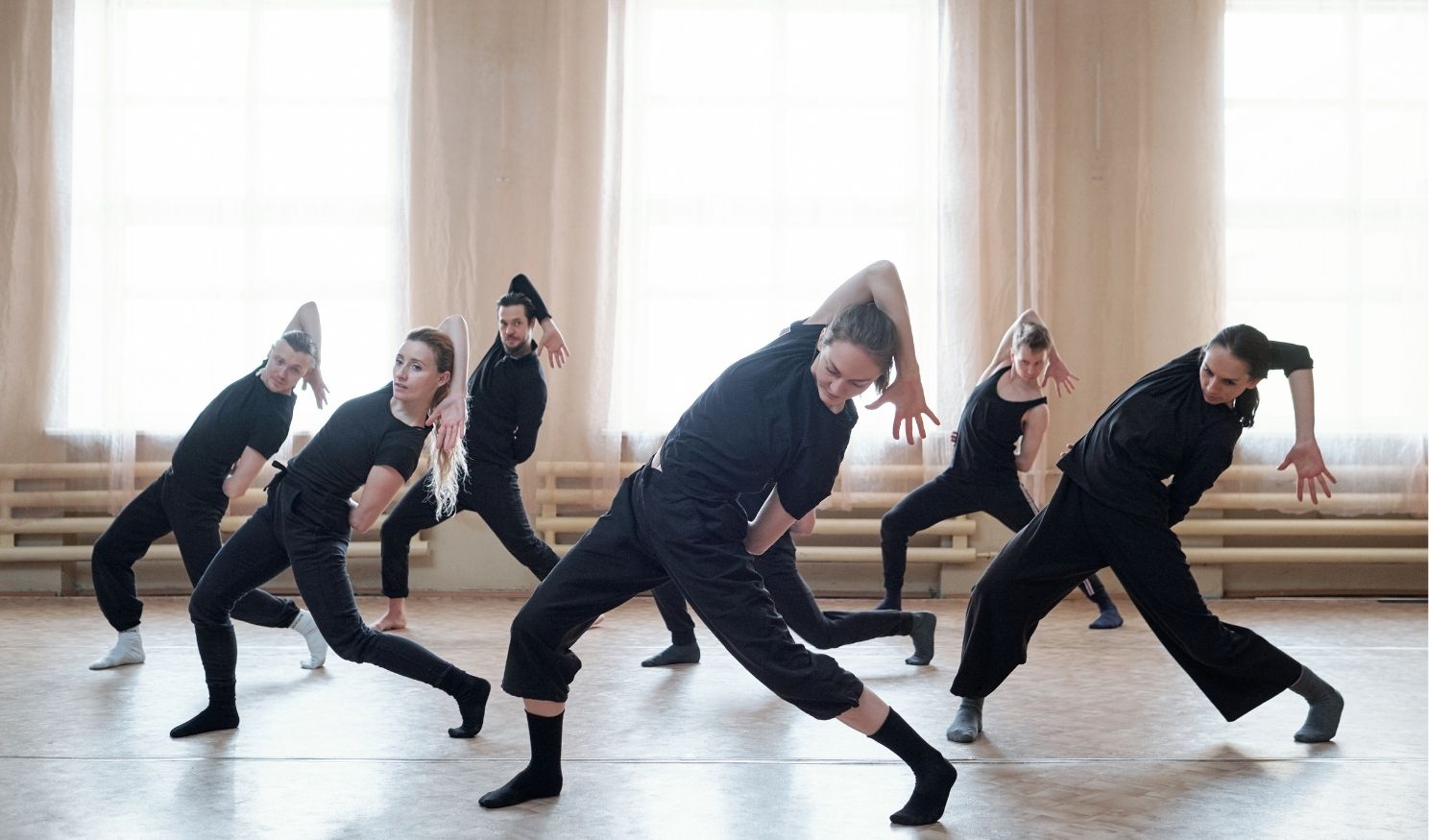
Contemporary Dance: A Fusion of Forms
Origins:
Contemporary dance emerged in the mid-to-late 20th century as an evolution of modern dance, blending various styles and influences—including ballet, jazz, postmodern, street, somatic practices, and even martial arts.
Key Figures:
- Merce Cunningham – Broke ties with music and narrative; emphasized chance
- Pina Bausch – Blended dance with theatre, text, and repetition
- Crystal Pite, Akram Khan, Ohad Naharin – Today’s leading voices in hybrid choreographic approaches
Core Characteristics:
- Eclectic and interdisciplinary
- Often improvisational or devised
- Can include floor work, contact, partnering, and theatrical elements
- No single technique; relies on versatility and experimentation
- Often abstract, philosophical, or conceptual in focus
“Contemporary dance is a toolbox—it adapts, absorbs, and reinvents in real time.”
Key Differences: Side-by-Side
| Aspect | Modern Dance | Contemporary Dance |
|---|---|---|
| Time Period | Early 20th century | Mid-20th century to present |
| Roots | Rebellion against ballet | Evolution of modern, fusion of styles |
| Structure | Codified techniques (e.g. Graham, Horton) | No single codified style |
| Philosophy | Expressive, emotional, narrative | Conceptual, abstract, often experimental |
| Movement Style | Grounded, dramatic, often symbolic | Fluid, versatile, improvisational |
| Training | Specific techniques and systems | Broad cross-training in multiple forms |
| Performance Aesthetic | Personal, raw, often autobiographical | Highly visual, hybrid, often theatrical |
Why the Confusion Exists
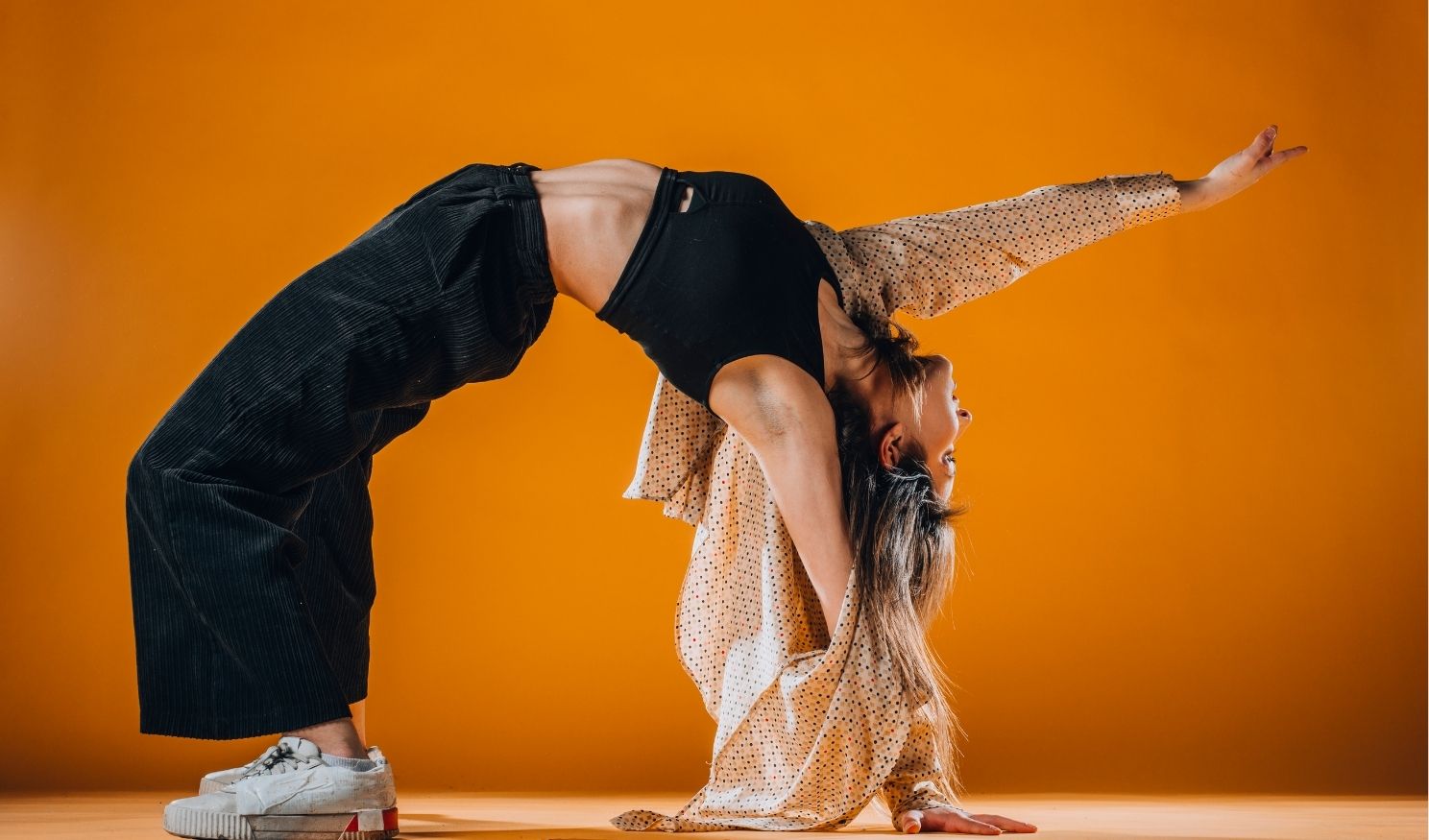
Part of the confusion comes from the fluid nature of dance itself. Many choreographers today pull from both traditions, and terms are often used loosely by institutions, festivals, and schools. A contemporary choreographer may reference modern technique. A modern piece may look “contemporary” in staging.
The real distinction lies in intent, structure, and lineage—not in what the dance looks like at first glance.
Why It Matters
For dancers:
- Knowing the difference helps you train strategically, audition intelligently, and refine your creative identity.
For educators:
- Understanding the distinction is critical for curriculum development and historical accuracy.
For audiences:
- Awareness deepens appreciation for the evolution of movement, and how dance reflects cultural shifts.
“Modern dance asks: ‘What am I feeling?’ Contemporary dance asks: ‘What can movement say that words cannot?’”
Final Thoughts: Tradition vs. Transformation
Modern dance gave us the foundation—discipline, form, and emotional honesty. Contemporary dance gave us the freedom—interdisciplinarity, risk, and reinvention. Neither is better. But they are different.
At Dance Liberation Network, we celebrate both as essential pillars of expressive movement. Whether you’re drawn to the structure of Graham or the chaos of Naharin, the point is to move—and mean it.
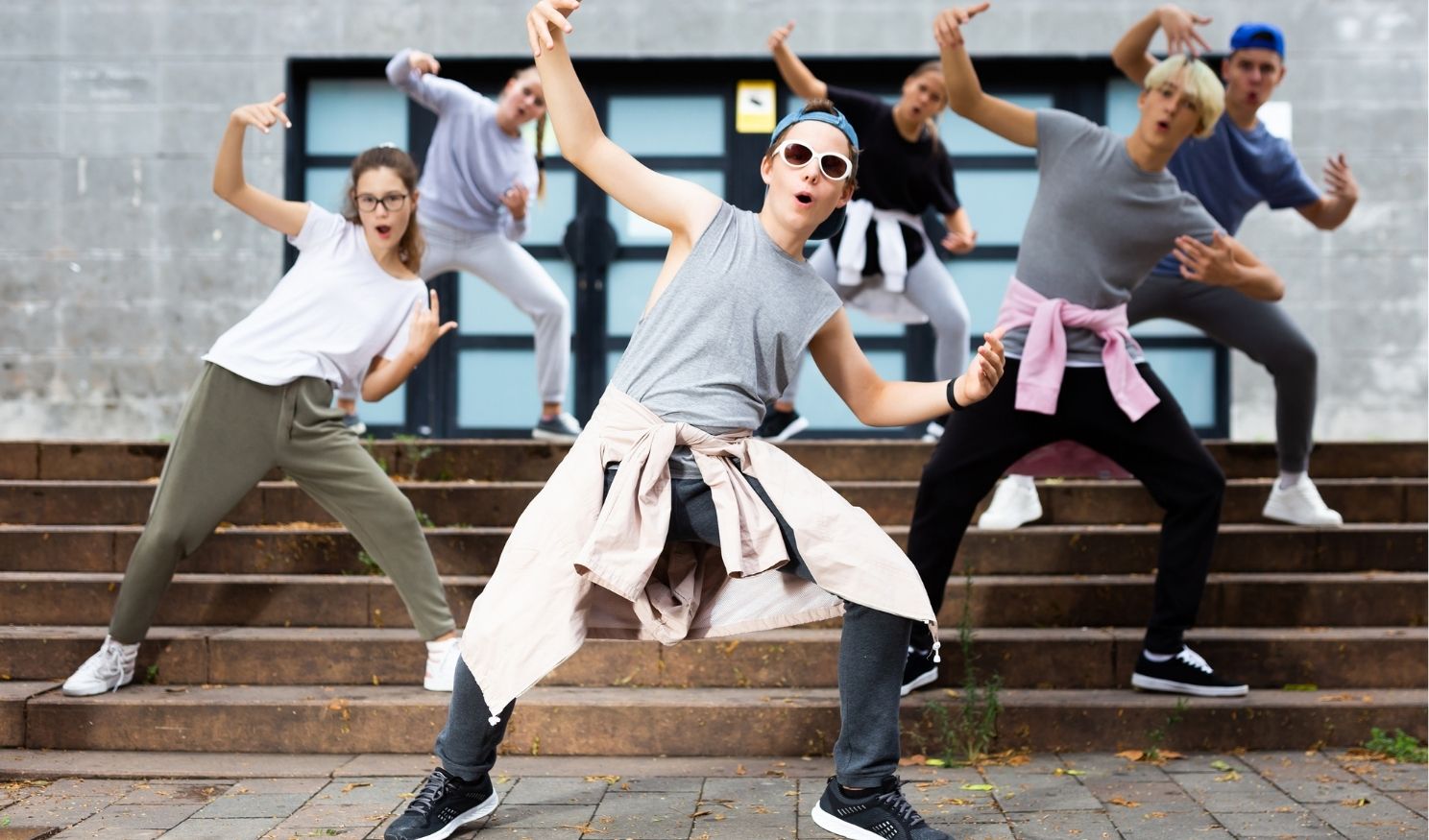
How Modern Dance Empowers Marginalized Voices Through Movement
Modern dance is not just an art form it’s a language. One that refuses to be censored, confined, or co-opted. From its inception, modern dance has served as a tool of defiance and liberation, giving those pushed to the margins of society a way to move and be seen with power and purpose.
In 2025, as conversations around identity, equity, and representation dominate public discourse, modern dance continues to serve as a dynamic platform for amplifying the stories of the underrepresented.
Dance as Defiance: A Historical Foundation
Modern dance emerged as a rejection of classical ballet’s elitist structures and aesthetic constraints. Pioneers like Isadora Duncan, Katherine Dunham, and Pearl Primus redefined movement as political, personal, and deeply tied to identity.
- Duncan defied gender norms.
- Dunham centered Black culture on concert stages.
- Primus fused anthropology and African traditions into formal choreography.
“Modern dance has always given voice to the unheard—because the body does not lie.”
These choreographers understood early on that movement could convey what words could not, especially for those denied access to mainstream platforms.
Who Are the Marginalized in Dance?
- People of colour
- Queer and trans dancers
- Dancers with disabilities
- Working-class or non-institutionally trained performers
- Bodies that fall outside Eurocentric standards of beauty or technique
Modern dance opens the floor to these voices—not as token gestures but as architects of new aesthetics, new stories, and new vocabularies.
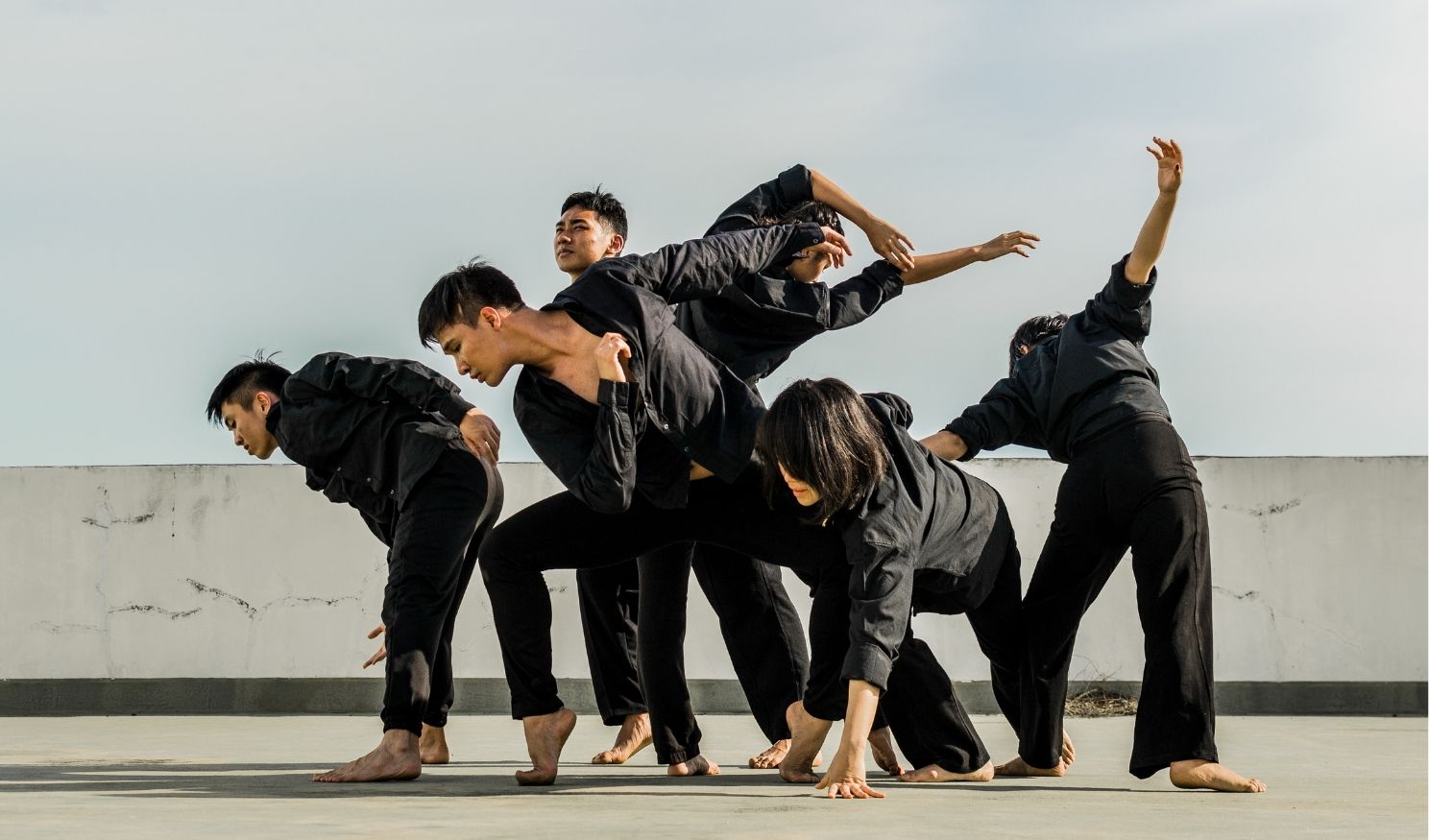
How Modern Dance Creates Space for Inclusion
1. Rejecting Codified Perfection
Where ballet prioritises verticality, symmetry, and purity, modern dance thrives on asymmetry, weight, and groundedness. It does not require a specific body type or a traditional résumé. This makes it inherently more accessible and adaptable.
2. Embracing Storytelling and Personal Narrative
Choreographers often build modern dance works from lived experience—grief, migration, queerness, trauma, resilience. Movement becomes a means of processing and broadcasting identity.
3. Valuing Authenticity Over Technique
Modern dance values truth of motion over technical perfection. A dancer’s authenticity—how deeply they embody their story—often matters more than their pirouettes.
4. Blending Disciplines and Cultures
Modern dance frequently incorporates music, spoken word, film, ritual, and social dance—many of which are rooted in marginalized cultural traditions that classical Western forms have historically excluded.
“To move without apology is a political act for any body the world has tried to erase.”
Leading Voices Using Dance as Resistance
- Sean Dorsey – One of the first prominent transgender choreographers in modern dance. His work fuses LGBTQ+ history with poetic movement.
- Axelrod Collective – A queer, POC-led dance theatre ensemble using body-based performance to challenge cultural erasure.
- Alice Sheppard – A disabled choreographer who uses wheelchair-based movement to redefine virtuosity and accessibility in dance.
- Sankofa Dance Theater – Rooted in African diasporic tradition, their work centers intergenerational Black narratives and social healing.
The Power of Representation in the Studio and Onstage
Representation is not only about who gets to perform—it’s about:
- Who gets trained
- Who gets funded
- Who gets reviewed
- Who choreographs
- Who directs the narrative
Modern dance, when committed to equity, decentralizes power and redistributes visibility.
Final Thoughts: Liberation Is a Full-Body Movement
At its core, modern dance is about choice how to move, when to move, and why. For marginalized dancers, that choice becomes an act of reclamation. Every step, contraction, fall, and reach becomes a form of self-determination.
At Dance Liberation Network, we believe movement is a tool for justice, not just aesthetics. We are committed to building stages literal and metaphorical where all bodies and stories are honored.
Top 10 Modern Dance Performances That Broke the Rules and Made History
Modern dance has never been about playing it safe. It was founded on rebellion—against ballet, against gender norms, against artistic censorship, and against cultural stagnation. The performances listed below didn’t just entertain—they disrupted, provoked, and reshaped the landscape of contemporary movement.
These are the rule-breaking moments that redefined what dance could say, how it could look, and who it was for.
1. Isadora Duncan – “Marseillaise” (1903)
Known as the mother of modern dance, Duncan shocked early 20th-century audiences with her barefoot performance to “La Marseillaise” draped in a Greek tunic. No corsets, no ballet shoes—just radical freedom of movement and raw political expression.
Why it broke the rules: It defied the entire classical ballet canon and used dance as political protest decades before it was fashionable.
2. Martha Graham – “Lamentation” (1930)
In a seated solo, Graham contorted her body in a stretch of fabric to embody grief itself. With no traditional narrative and minimal movement, she showed how abstraction could be more emotionally powerful than realism.
Why it broke the rules: “Lamentation” turned modern dance inward, proving that pain could be aesthetic, architectural, and transformative.
3. Merce Cunningham – “RainForest” (1968)
In collaboration with Andy Warhol (who provided floating silver pillows as set design), Cunningham broke away from music-dictated movement, letting chance operations dictate choreography.
Why it broke the rules: Movement and music were created separately. This shattered the idea that dance must interpret music.
4. Pina Bausch – “Café Müller” (1978)
Bausch fused theatre, raw emotion, and repetitive movement in a way that left audiences unsettled. Performers stumbled through chairs blindfolded, capturing the chaos of love and memory.
Why it broke the rules: Bausch blurred the line between dance and drama, emotion and repetition, trauma and choreography.
5. Alvin Ailey – “Revelations” (1960)
Ailey combined African-American spirituals with modern technique and gospel-infused storytelling. “Revelations” became one of the most-performed works in American dance history.
Why it broke the rules: It unapologetically centered Black experience, joy, and sorrow on elite stages long dominated by whiteness.
6. Yvonne Rainer – “Trio A” (1966)
This minimalist, expressionless sequence of pedestrian movements rejected spectacle. No music. No narrative. Just pure physical presence.
Why it broke the rules: Rainer’s “No Manifesto” dismantled dance as performance and elevated ordinary movement to high art.
7. Bill T. Jones – “Still/Here” (1994)
Based on interviews with people diagnosed with terminal illnesses, this deeply personal piece fused video, text, and movement into a meditation on mortality.
Why it broke the rules: It mixed activism, documentary, and dance—and challenged critics who dismissed it as “victim art.”
8. Trisha Brown – “Walking on the Wall” (1971)
Performers walked perpendicular to the floor, suspended by harnesses, in one of the earliest examples of site-specific and gravity-defying choreography.
Why it broke the rules: Brown challenged gravity, architecture, and the idea that dance needed a “stage.”
9. Anne Teresa De Keersmaeker – “Rosas danst Rosas” (1983)
Sharp, repetitive, and emotionally detached, this work explored feminine labor, power, and exhaustion with architectural intensity. Later sampled by Beyoncé (controversially) in her “Countdown” video.
Why it broke the rules: It weaponised repetition and restraint as radical feminist commentary.
10. Ohad Naharin – “Echad Mi Yodea” (1990)
Part of the Minus 16 suite, this Israeli choreographer used chairs, Hebrew chants, and escalating chaos to deconstruct conformity and faith.
Why it broke the rules: Naharin made anger and ritual into a choreographic structure—confronting the audience head-on.
Why Rule-Breaking in Dance Still Matters
Modern dance was never about pleasing audiences—it was about confronting them. These choreographers and their iconic performances shifted cultural narratives, questioned authority, and made space for new bodies, voices, and forms.
“Rule-breaking is not a phase—it’s the engine of artistic relevance. If dance isn’t challenging something, it’s not doing enough.”
Final Thoughts: Legacy and Liberation
At Dance Liberation Network, we believe in the power of movement to disrupt, to liberate, and to evolve. These ten performances prove that modern dance isn’t a museum artifact—it’s a living revolution.
What Is Modern Dance? Origins, Styles, and Why It Still Matters
Modern dance is more than a genre—it’s a cultural movement rooted in rebellion, personal expression, and artistic freedom. In an age dominated by commercial performance and social media trends, many forget that modern dance was born not to entertain, but to liberate.
This guide breaks down what modern dance really is, where it came from, the styles it influenced, and why it remains as vital today as it was over a century ago.
What Is Modern Dance?
Modern dance is a genre of performance dance that emerged in the early 20th century as a radical break from classical ballet. Rejecting the rigid structures and formalities of ballet, modern dance emphasised natural movement, emotional expression, and individual freedom.
“Modern dance is the body thinking, not just moving.”
Unlike ballet, which prioritised verticality, precision, and the illusion of weightlessness, modern dance embraced grounded movement, breath, gravity, and the exploration of space.
The Origins of Modern Dance
Modern dance emerged simultaneously in the United States and Europe in the late 1800s and early 1900s, led by pioneers who wanted to challenge the status quo of concert dance.
Key Founders:
- Isadora Duncan: Often called the mother of modern dance, she championed freedom of movement and rejected corseted costumes and ballet shoes.
- Martha Graham: Created a codified technique based on contraction and release, placing emotion at the centre of movement.
- Ruth St. Denis & Ted Shawn: Integrated spiritual and cultural elements into modern dance, establishing it as a serious art form.
- Lester Horton: Known for a technique that emphasizes lateral movement and long lines, widely used in training contemporary dancers today.
“Modern dance was born out of a desire for personal and political liberation—it’s deeply intertwined with identity and resistance.”
Core Styles and Techniques in Modern Dance
Though the genre defies rigid classification, several techniques have shaped its evolution:
Graham Technique
Focused on the emotional inner self, using breath, contraction, and release. Highly expressive and intense.
Horton Technique
Known for fortifying the body with strength and flexibility. Often seen in contemporary and commercial dance training.
Limon Technique
Developed by José Limón, this style emphasizes fall and recovery, breath, and organic movement flow.
Release Technique
Embraces the body’s natural patterns and movement efficiency. Popular in postmodern and somatic dance practices.
“Each technique reflects a philosophy. Modern dance isn’t just steps—it’s how you live inside your body.”
Why Modern Dance Still Matters in 2025
In a world dominated by commercial dance, TikTok trends, and hyper-choreographed entertainment, you might ask: why does modern dance still matter?
Here’s why:
1. It Encourages Individual Voice
Modern dance fosters authenticity over conformity. Dancers are encouraged to find their own movement vocabulary, rather than mimic.
2. It Connects Dance with Social Justice
From civil rights to gender politics, modern dance has always been a medium for protest, resistance, and liberation.
3. It Shapes Contemporary Dance
Contemporary dance owes much of its foundation to modern dance. Even today, leading choreographers draw from modern techniques.
4. It Prioritises the Mind-Body Connection
Modern dance trains not just the body, but the emotional and intellectual faculties. It’s holistic, not performative.
5. It Creates Space for All Bodies
Modern dance challenges conventional beauty standards and embraces diverse bodies, identities, and abilities.
“Modern dance isn’t outdated—it’s timeless. In every improvisation, we return to the question: What does it mean to be free?”
Final Thoughts: Modern Dance as Cultural Liberation
Modern dance began as a rebellion—and that spirit lives on. Whether you're a dancer, choreographer, student, or supporter, understanding its roots helps you appreciate its radical potential today.
At Dance Liberation Network, we champion movement as a tool for empowerment, identity, and cultural change. We believe modern dance continues to serve as a vital counterpoint to commercial aesthetics, offering space for introspection, protest, and liberation.